If you are drawn to Waterford, you are probably not looking for just any house. You are choosing between two very different ways of living in western Loudoun County: the charm and scarcity of a preserved historic village, or the space and convenience of a newer estate neighborhood nearby. This guide will help you compare what you actually get with each option so you can decide which fit feels right for your lifestyle, budget, and long-term plans. Let’s dive in.
Why Waterford Feels Different
Waterford is not a typical suburban community. It is a remarkably preserved rural village with historic farmland surrounding it, and the National Historic Landmark spans about 1,420 acres.
That preservation context shapes daily life in a real way. Waterford still functions as a living village, but it is small-scale and rooted in heritage, with places like the Corner Store, Waterford Market, Phillips Farm trails, guided walking tours, the Waterford Fair, and the Waterford Craft School adding to its rhythm.
For many buyers, that is the appeal. You are not just buying a home. You are buying into a setting with lasting identity and a level of historic continuity that is hard to replicate elsewhere in Loudoun County.
Historic Waterford at a Glance
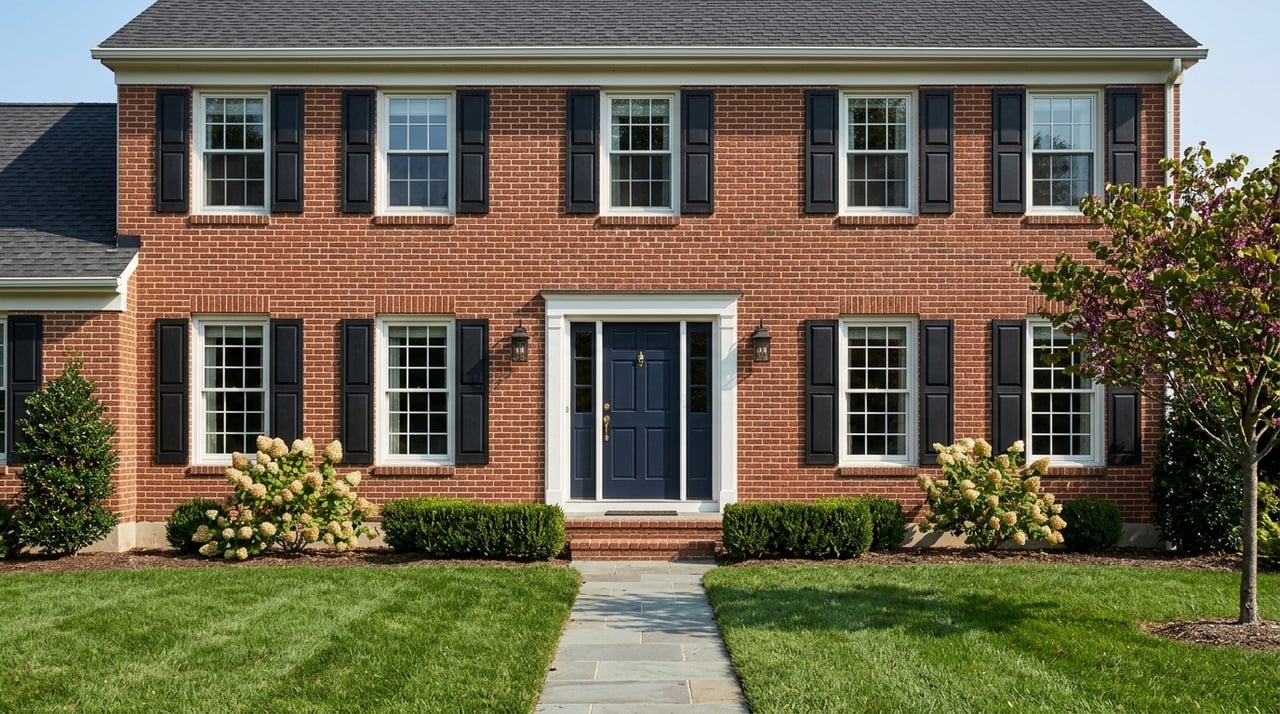
Historic Waterford tends to offer older homes, smaller lots, and architecture that feels truly one of a kind. Current examples in the village show a wide range, from a 1,778-square-foot home built in 1851 on a 3,920-square-foot lot listed at $750,000 to a 3,754-square-foot home with 18th-century origins on a 4,356-square-foot lot listed at $889,000.
There are also higher-priced village options with more interior space or land. One example is a circa-1825 home with 4,398 square feet on 3.95 acres, listed pending at $1,675,000, which shows that larger historic parcels do exist but are uncommon inside the village core.
In practical terms, value in historic Waterford is not just about age. Buyers tend to weigh restoration quality, privacy, parking, and how well livable space has been created within the home’s historic footprint.
What Buyers Often Love
Historic Waterford tends to appeal to buyers who want:
- Original architecture and period details
- A walkable village setting with a strong sense of place
- Scarcity and long-term character
- A home that feels distinct rather than standardized
- Close connection to Waterford’s events, trails, and preservation culture
What to Think Through Carefully
Village living also comes with tradeoffs. Many buildings are privately owned and typically open to the public only during special events, which reinforces that this is a real residential village, not a resort-style community with broad public amenities.
Parking can also look different here than in newer neighborhoods. Waterford Foundation visitor materials note street parking throughout the village and additional parking at the Waterford Old School, while some homes may have limited off-street parking compared with larger estate properties.
Nearby Estates at a Glance
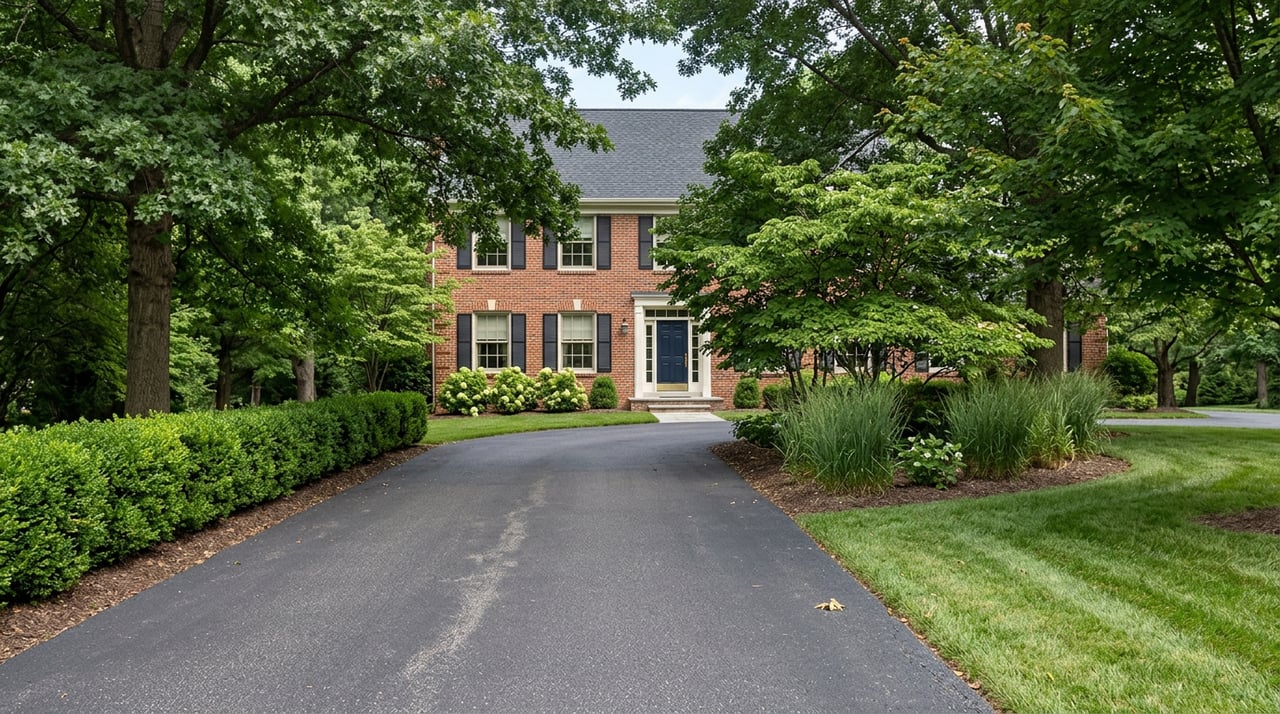
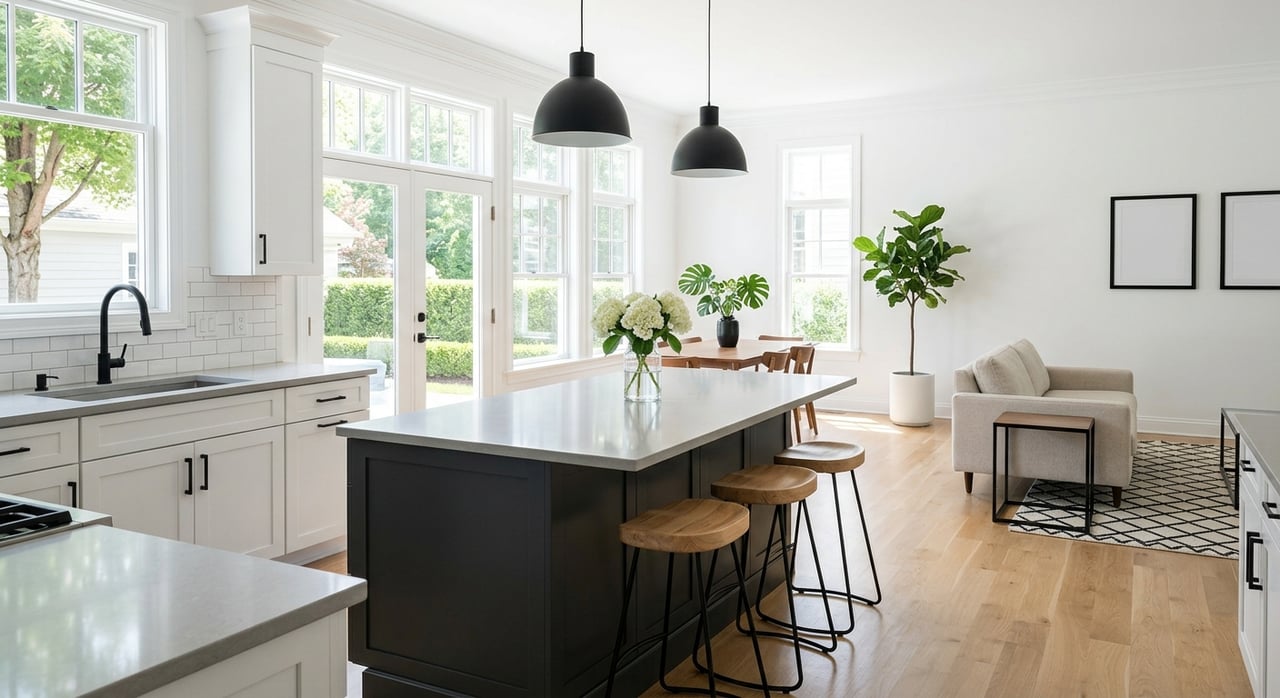
The estate neighborhoods around Waterford offer a different value proposition. Instead of historic character, the focus is usually on acreage, newer systems, larger floor plans, garages, and a more conventional luxury-home experience.
Public portal data points to a relatively thin inventory overall in the 20197 zip code. Zillow reports 16 active listings with a median list price of $1,533,333, while Realtor.com reports 26 active homes with a median listing price of $1.4 million.
Examples around Waterford show what buyers often find in these neighborhoods. Recent listings include homes from roughly 3,410 to 8,169 square feet, typically on 1.4 to 4.26 acres, with many built from 2006 to 2021 and some carrying HOA fees in the roughly $75 to $150 per month range.
Communities Buyers Often Compare
The broader Waterford area includes neighborhood names such as:
- Waterford Ridge
- Alphin
- Rosemont Farm
- Stonebrook Farms Hamlet
- The Reserve at Waterford
- Waterford Manor
These communities tend to feel more like rural luxury neighborhoods than historic village living. Some are positioned as a hybrid of country setting and commuter convenience, with larger homesites and easier access to major roads.
Historic Village vs Nearby Estates
Here is the clearest way to think about the choice.
| Feature | Historic Waterford | Nearby Estates |
|---|---|---|
| Home style | Older, one-of-a-kind homes | Newer, larger house plans |
| Lot size | Often smaller in the village core | Commonly 1.4 to 4+ acres |
| Character | Preservation-rich and highly distinctive | More standardized luxury feel |
| Exterior changes | County compatibility review required | Typically more straightforward, subject to HOA or standard local rules |
| Parking | May include on-street or limited off-street options | More likely to include garages and expanded driveways |
| Systems | Older infrastructure may be part of ownership | Newer systems are common |
| Commute access | Atmosphere-first setting | Usually better road access |
The Preservation Factor Matters
If you are considering the historic village, this point is important. Loudoun County administers Waterford as a Historic and Cultural Conservation District, and exterior work is reviewed by the Historic District Review Committee.
That does not change how many lots a parcel may have, but it does mean exterior changes must be reviewed for compatibility. For buyers, that can affect additions, fences, driveways, and other visible exterior work.
This is not necessarily a negative. For many owners, it is part of what protects Waterford’s long-term appeal. Still, if you want the easiest path for future exterior changes, a newer estate property may feel more flexible.
Lifestyle Tradeoffs You Will Feel Daily
The lifestyle difference between these options is real. In the village, your day-to-day environment is shaped by history, walkability, village streets, local events, and the surrounding preserved landscape.
In nearby estate neighborhoods, daily life often feels more private and expansive. You may gain a larger home, more storage, more parking, a bigger lot, and a setup that aligns more closely with modern living patterns.
That does not make one better than the other. It simply comes down to whether you want authenticity and atmosphere first, or space and convenience first.
Historic Waterford May Fit You If
- You value heritage, architecture, and scarcity
- You are comfortable with an older home’s quirks and upkeep
- You like the idea of village living over neighborhood uniformity
- You want a home with a story and a strong sense of place
Nearby Estates May Fit You If
- You want more square footage and newer construction
- You prefer garages, larger driveways, and more predictable layouts
- You want acreage with a modern home plan
- You expect easier access to commuter routes and regional travel
Commute and Access Considerations
Waterford Foundation materials place the village about one hour from Washington, D.C. For some buyers, that scenic separation is part of the draw.
Newer neighborhoods around Waterford often market their access to Route 15, Routes 7 and 9, and the Dulles Greenway. Some listing language also notes about 30 minutes to Dulles International Airport, which can matter if you commute regularly or travel often.
If road access is a top priority, the estate neighborhoods generally have the edge. If atmosphere and a preserved setting matter more, historic Waterford often wins hearts quickly.
Maintenance and Utility Planning
This is where a smart buying decision becomes more than an emotional one. Several estate listings rely on private well and septic systems or mixed utility setups, while some village homes may involve older infrastructure and different parking realities.
That means your comparison should go beyond price per square foot. You will want to think through inspections, utility maintenance, insurance, and long-term system costs before deciding which property type gives you the best overall value.
For many buyers, this is where a numbers-driven review makes a big difference. A home that looks like the better deal at first glance may not feel that way once upkeep, systems, and future improvement plans are factored in.
So, Which Choice Is Better?
The honest answer is that Waterford is not a simple old-versus-new decision. Historic Waterford is best for buyers who want authenticity, preservation context, and architecture that cannot be duplicated.
Nearby estates are often the better fit for buyers who want land, newer construction, garages, and a more conventional luxury experience while staying in the same western Loudoun countryside. The right choice depends on how you want to live, not just what you want to own.
If you are weighing historic Waterford against nearby estates, working through the tradeoffs with local market context can save you time and help you buy with confidence. For tailored guidance on western Loudoun homes, reach out to Chrissie Goodrum.
FAQs
What is the main difference between historic Waterford and nearby estate neighborhoods?
- Historic Waterford centers on preserved village character, older homes, and a unique setting, while nearby estates usually offer larger lots, newer construction, more square footage, and a more modern ownership experience.
Do historic homes in Waterford have restrictions on exterior changes?
- Yes. Loudoun County reviews exterior work in Waterford through the Historic District Review Committee to help keep changes compatible with the historic district.
Are lot sizes usually larger in historic Waterford or nearby estates?
- Nearby estates usually have larger lots. Village homes often sit on smaller parcels, although rare larger historic properties do occasionally come to market.
Are estate homes near Waterford newer than homes in the village?
- In most cases, yes. Many nearby estate listings were built from 2006 to 2021, while village homes are often much older and may date back to the 18th, 19th, or early 20th century.
Is parking different in historic Waterford compared with nearby estates?
- Yes. Some village homes may have on-street or limited off-street parking, while nearby estate homes are more likely to include garages and larger driveways.
Which option near Waterford may work better for commuting?
- Nearby estate neighborhoods generally offer better access to major roads such as Route 15, Routes 7 and 9, and the Dulles Greenway, while the village is often chosen more for its atmosphere and historic setting.