Trying to choose between a condo, townhome, or single-family home in Belmont Country Club or greater Ashburn? You are not alone. In Loudoun County, the right fit often comes down to what you want to maintain, how you plan to live, and your total monthly cost once HOA or club fees are in the mix. In this guide, you will get clear definitions, an easy maintenance and insurance checklist, cost factors to include in your budget, and a practical due diligence plan tailored to Ashburn. Let’s dive in.
Quick definitions in Ashburn
What is a condo
A condominium gives you ownership of the interior of your unit plus a shared interest in common areas. The association typically handles the building exterior and shared grounds, and it enforces community rules. You carry an HO-6 policy, the association carries a master policy, and some loan programs require condo project approvals.
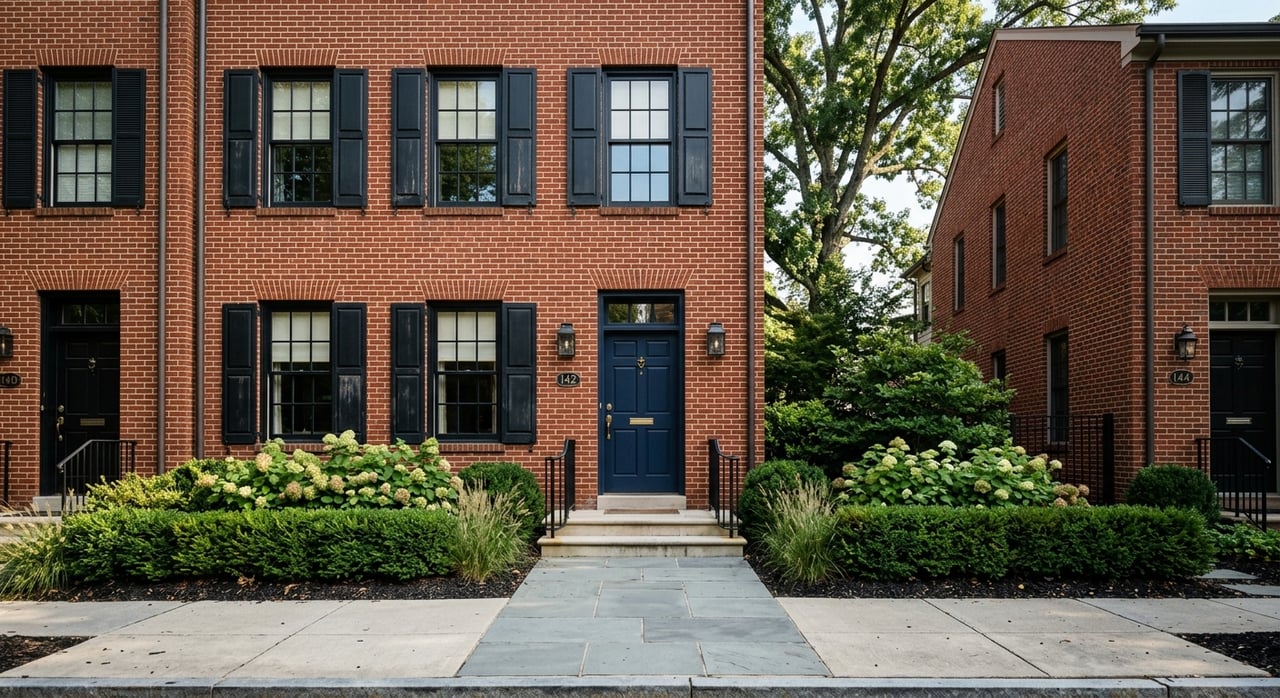
What is a townhome
A townhome is commonly fee simple ownership of the lot and the vertical structure. An HOA may maintain common areas and sometimes exterior elements, but it varies. In Virginia, the recorded declaration and CC&Rs decide who handles roofs, siding, and other building items. Your insurance can be HO-3 or an adjusted policy depending on what the HOA covers.
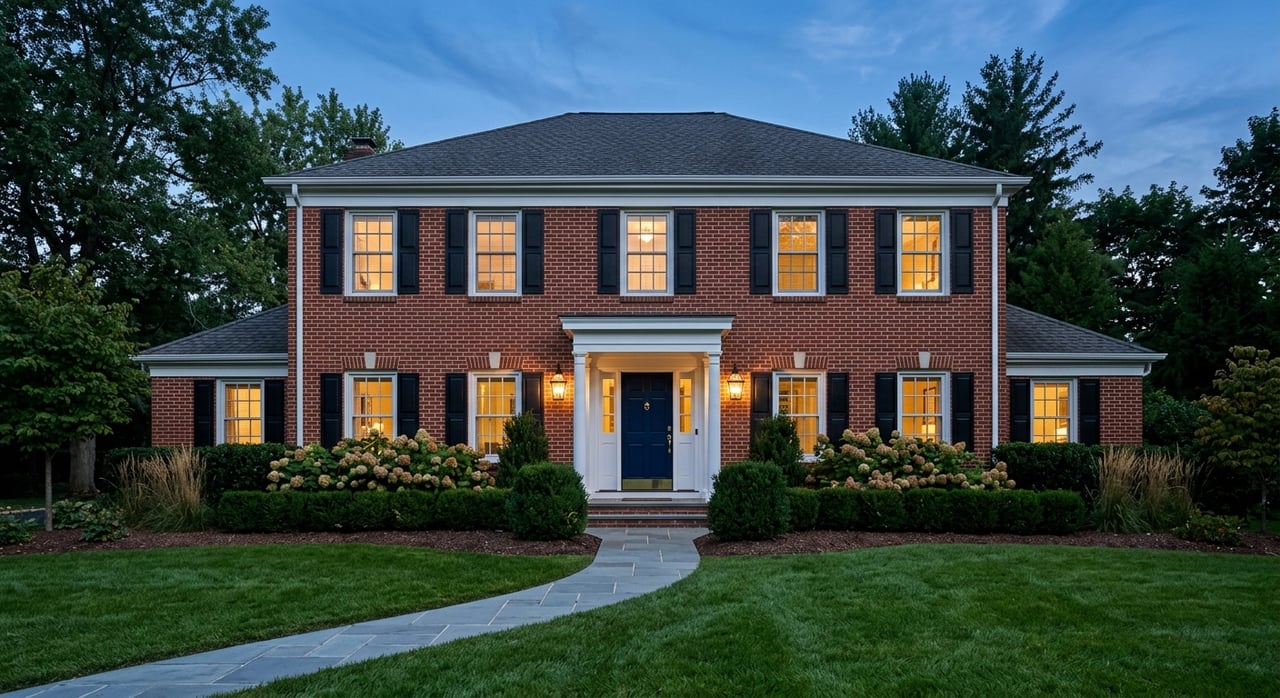
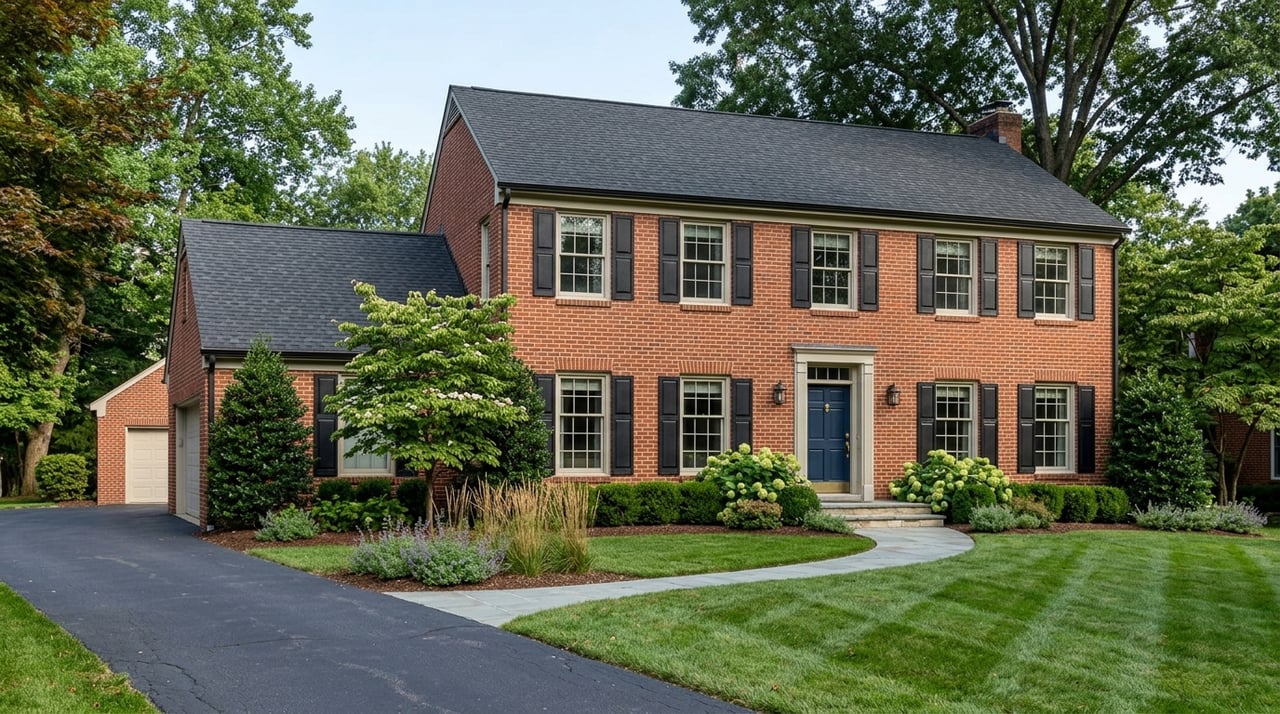
What is a single-family home
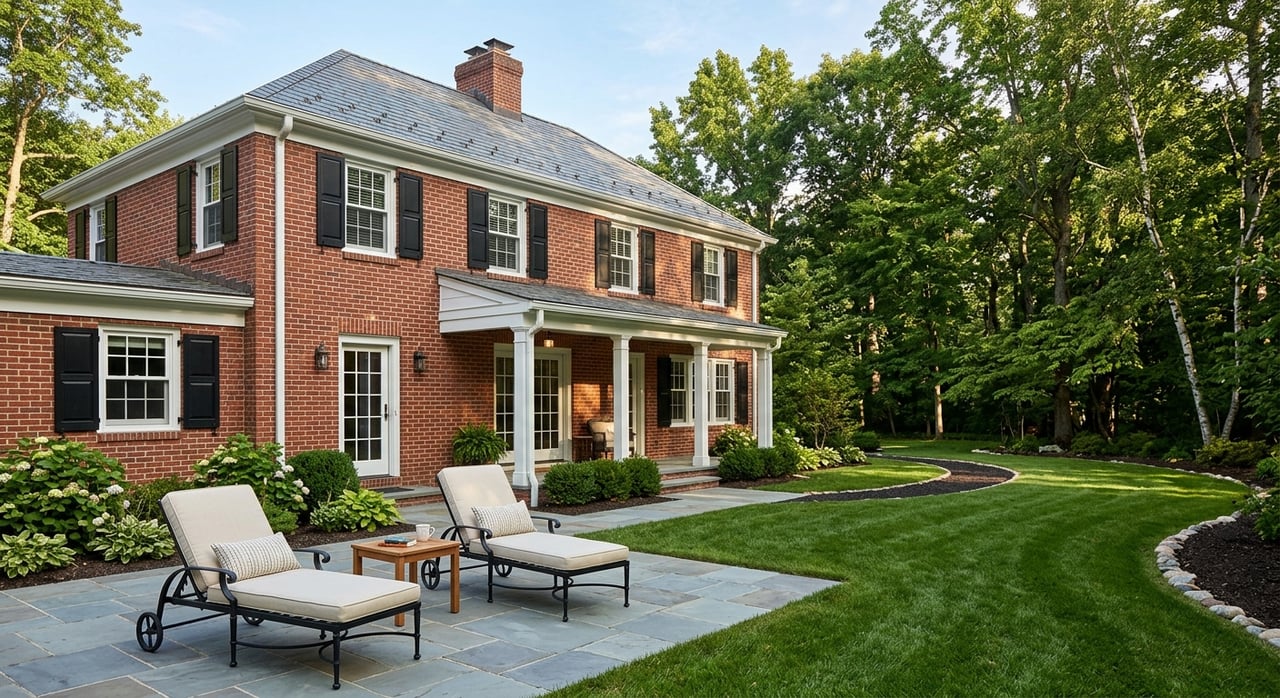
With a detached home, you usually control the entire lot and structure. You have the most freedom to make exterior changes, within any HOA guidelines. You also take on the most maintenance and carry an HO-3 policy. In planned communities, there may still be HOA rules and dues for shared amenities.
Who handles maintenance
Exterior structure
- Condo: association is usually responsible.
- Townhome: varies, confirm in the CC&Rs and maintenance schedule.
- Single-family: owner is responsible.
Landscaping and grounds
- Condo: association handles common areas.
- Townhome: association often handles streetscapes, sometimes small yards.
- Single-family: owner maintains the lot unless the HOA provides services.
Snow, trash, common utilities
- Condo: association covers communal services.
- Townhome: association often covers these.
- Single-family: owner arranges services that are not municipal.
Long-term capital items
- Condo: association maintains reserves and plans for big projects. Review the reserve study.
- Townhome: funding and responsibility depend on the HOA’s scope.
- Single-family: you plan for replacements and reserve funds yourself.
Insurance, simple and clear
- Condos: Ask exactly what the master policy covers. You will carry an HO-6 policy for interiors and personal property, and you should consider loss assessment coverage in case the association levies a special assessment.
- Townhomes: If the HOA covers the exterior, your policy may look more like an HO-6 or an HO-3 with endorsements. If not, you will need full dwelling coverage like an HO-3.
- Single-family: You carry full dwelling coverage, typically an HO-3, plus liability and contents.
Always line up your insurance with your recorded documents. For condos and some townhomes, coverage gaps can exist if the master policy excludes parts of the building shell or certain risks.
Rules, governance, and approvals
In Virginia, associations operate under recorded documents that set your rights and duties. Before you fall in love with a place, look at:
- Declaration, bylaws, rules, and architectural guidelines.
- Pet rules, parking rules, and rental restrictions.
- Architectural change approvals and enforcement policies.
- Whether management is professional or self-managed.
- Budget, recent financial statements, and the reserve study.
- Meeting minutes for the last 12 to 24 months, which can reveal planned projects or special assessments.
If you are financing a condo, ask your lender about project approvals and any limits on investor ratios or reserve levels. Lender concerns can affect your loan terms or timing.
Cost comparison beyond price
Do not compare only the list price. Build your all-in monthly cost by including:
- Mortgage principal and interest.
- Loudoun County property taxes based on assessed value and current rates.
- Homeowners insurance that fits the property type.
- HOA or condo dues, which may include landscaping, snow removal, trash, and sometimes utilities.
- Utilities not covered by the HOA.
- Lawn and routine maintenance if you are responsible.
- Country club membership dues if separate from the HOA.
- A monthly maintenance reserve for future replacements.
Condo dues often run higher than townhome or single-family HOA dues because more services are included, especially in buildings with robust amenities. In amenity-rich or country club communities, dues tend to be higher. In Belmont Country Club, confirm whether club membership is mandatory or optional, what it includes, and how it is billed.
For planning, a common rule is to set aside 1 to 3 percent of a single-family home’s value each year for maintenance. Condos and some townhomes shift part of that burden to association reserves, but you still want to review reserve studies and fee history to gauge future risk.
Lifestyle fit in Belmont Country Club
Privacy and space
- Single-family: the most privacy, a private yard, and more storage.
- Townhome: a middle ground with multi-level living and small outdoor spaces.
- Condo: low-maintenance living with less private outdoor space.
Amenities and social life
- Condo: building amenities like gyms or lounges can support a social lifestyle without club membership.
- Townhome and single-family in planned communities: neighborhood-level pools, trails, and parks vary by HOA.
- Country club communities: a golf and club-centered social layer may be available to all property types. Verify access and any separate dues.
Parking and storage
- Condo: assigned or limited parking and modest storage.
- Townhome: often a garage and some guest parking, subject to HOA rules.
- Single-family: more parking and storage options, such as sheds or larger garages.
Time for maintenance
- Prefer lock-and-leave: condo or townhome with exterior services.
- Enjoy projects and yard work: single-family or owner-responsible townhome.
Due diligence checklist for Ashburn buyers
Use this list before you make a final decision or during contingencies:
Core documents
- Declaration, CC&Rs, bylaws, and rules.
- Current budget, recent financial statements, and reserve study.
- Insurance certificate and master policy details.
- Board meeting minutes for the last 12 to 24 months.
- Any notices about litigation or special assessments.
Property condition
- Home inspection and termite inspection.
- Ages of roof, HVAC, windows, and major systems.
- For older buildings, ask about potential lead or asbestos risks when relevant.
Responsibilities to confirm
- For townhomes, who covers roof, siding, decks, driveways, and landscaping.
- For condos, what the master policy excludes and what walls-in coverage you need.
Club details
- Whether membership is mandatory or optional.
- Initiation fees, monthly or annual dues, and transfer rules.
- What is included with each membership type.
Questions to ask
- Listing agent or seller: any recent or upcoming special assessments, any rental restrictions, and system ages.
- HOA or manager: professional or self-managed, owner-occupancy and rental mix, dues delinquency rate, reserve strength, and planned capital projects.
- Lender: condo project approval status and any concerns about reserves or investor ratios.
Local sources
- Loudoun County property and tax records for assessments and tax rates.
- Recorded declarations and plats for precise responsibilities.
- HOA or community manager for current documents and fee schedules.
- Local MLS data for comparable sales and inventory in Belmont Country Club and greater Ashburn.
How to compare two listings
Create a simple spreadsheet so you can compare apples to apples over the same time horizon:
- Calculate monthly mortgage principal and interest for each list price and rate.
- Add HOA or condo dues, property taxes, and insurance.
- Add typical utilities not covered by the HOA.
- Add a monthly maintenance reserve based on what you are responsible for.
- Add club dues if applicable.
- Project these costs over five years to see the total cost of ownership.
This approach gives you clarity on tradeoffs. A condo with higher dues may still be the best fit if it covers major services you prefer not to manage. A single-family home may cost more upfront but could offer control, privacy, and a yard you value.
When each option shines
When a condo makes sense
- You want low-maintenance living and predictable monthly costs.
- You value building amenities and a lock-and-leave lifestyle.
- You prefer association-managed exterior upkeep.
When a townhome makes sense
- You want multiple bedrooms and some outdoor space without full yard care.
- You prefer attached garage parking and neighborhood amenities.
- You are comfortable with some owner responsibilities that vary by HOA.
When a single-family makes sense
- You want maximum privacy, yard space, and storage.
- You like control over exterior changes within community rules.
- You are comfortable planning and funding full maintenance.
A Belmont Country Club note on dues
In country club settings, HOA dues and club dues are separate line items. Do not assume club access is included with your HOA. Confirm whether membership is required, which membership tier you want, and how fees are billed. This is a key variable in your total monthly budget.
Ready for a numbers-first walkthrough
As a buyer in Belmont Country Club or nearby Ashburn neighborhoods, you have great options across condos, townhomes, and single-family homes. The best choice is the one that matches your budget, your day-to-day routine, and how much maintenance you want to handle. If you want help building an all-in budget, interpreting HOA documents, and comparing true long-term costs, reach out to a local advisor who blends financial clarity with hands-on guidance.
If you would like a tailored plan for your move and a precise cost comparison by property type, connect with Chrissie Goodrum.
FAQs
How do I confirm a townhome’s exterior responsibility in Ashburn?
- Review the recorded declaration, CC&Rs, and the maintenance schedule. If anything is unclear, ask the HOA manager to confirm in writing.
Are condo HOA fees worth it in Belmont Country Club?
- It depends on your priorities. Fees fund exterior upkeep and amenities, which can simplify budgeting. Compare the services and the association’s financial health against your lifestyle and costs.
Will a country club membership add big monthly costs?
- Possibly. Club membership can be a significant separate expense. Confirm whether it is mandatory or optional, what is included, and how dues are structured.
Do condos or townhomes appreciate less than single-family homes in Ashburn?
- Appreciation depends on location, lot appeal, and local demand. Detached homes often command higher absolute prices, while condos and townhomes can appreciate differently. Use local comps to judge trends.
How do special assessments happen in HOAs and condos?
- Large projects, unexpected damage, or weak reserves can trigger assessments. Review the reserve study and recent meeting minutes to gauge risk.