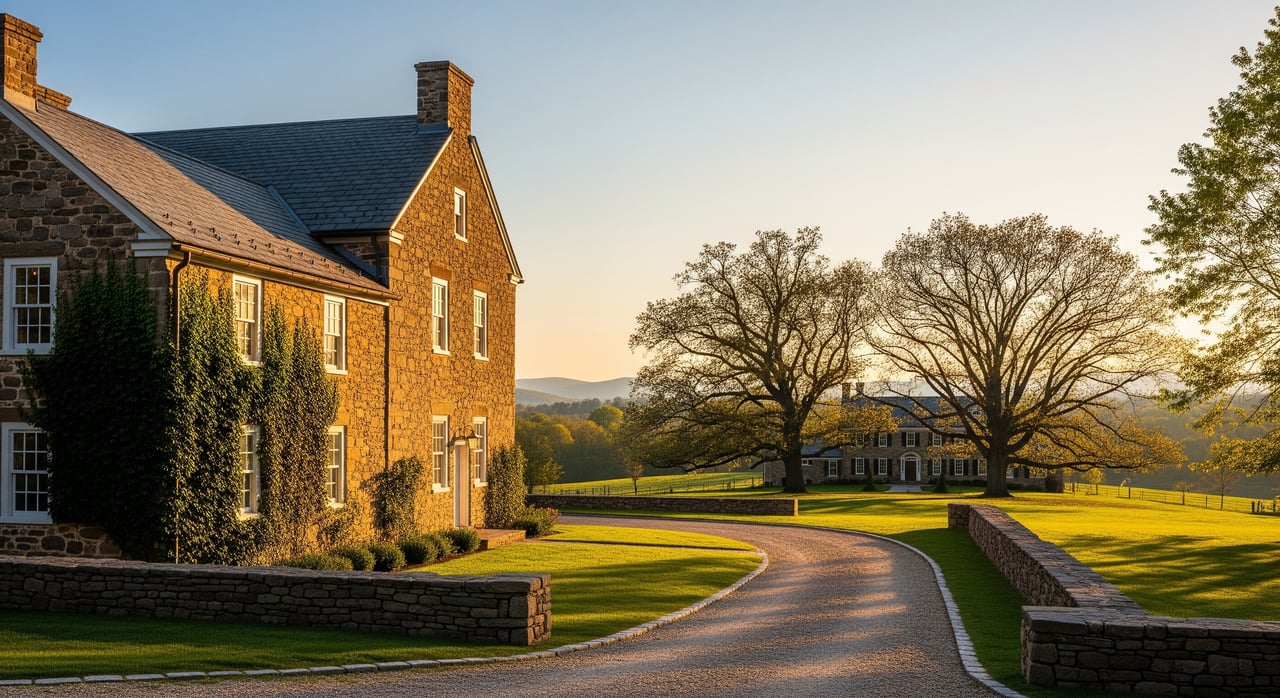
Imagine waking up to stone walls, rolling fields, and a village streetscape that looks much like it did two centuries ago. If you crave history, privacy, and open space without losing touch with the Washington region, Historic Waterford and the surrounding estates offer a rare blend. In this guide, you’ll learn how daily life works, what homes and lots look like, and the practical steps you should take when buying or selling here. Let’s dive in.
Historic Waterford at a glance
Waterford is a compact 18th- and 19th-century village known for its preserved architecture and landscape. Narrow streets, stone and brick houses, historic churches, and a former mill site create a distinctive pre‑industrial rural character that stands apart from suburban Loudoun. The village’s historic status is well recognized, and protections reflect its significance.
Life in the core is very walkable on a small scale. You can stroll past historic homes, visit occasional local businesses, and enjoy community events. Daily shopping is limited in the village itself, so you typically drive to nearby towns for groceries, services, and dining.
Estates around the village
Outside the village, the landscape opens into working farms, equestrian properties, vineyards and wineries, and single-family estates on larger lots. Acreage can range from a few acres to dozens of acres, with preserved open space, tree lines, and long views setting the tone. This “village plus estates” setting draws buyers who want both an authentic historic center and room to spread out.
Daily life and nearby amenities
Expect a quieter rhythm than suburban neighborhoods. Mornings and evenings bring rural views and commuting patterns. The community calendar often features preservation-oriented events, historic house tours, and an annual craft and antique fair that draws regional visitors. Religious and civic organizations also contribute to village life.
For everyday errands, you’ll head to nearby towns like Leesburg for supermarkets, restaurants, medical clinics, and government services. Weekends often revolve around outdoor pursuits, wineries, farm markets, and regional recreation such as hiking, scenic drives, and river access. Many residents work across the larger metro area or remotely. Drives to employment centers, Dulles Airport, and suburban job hubs are common, depending on your exact address and route.
Homes and property types
Inside the village
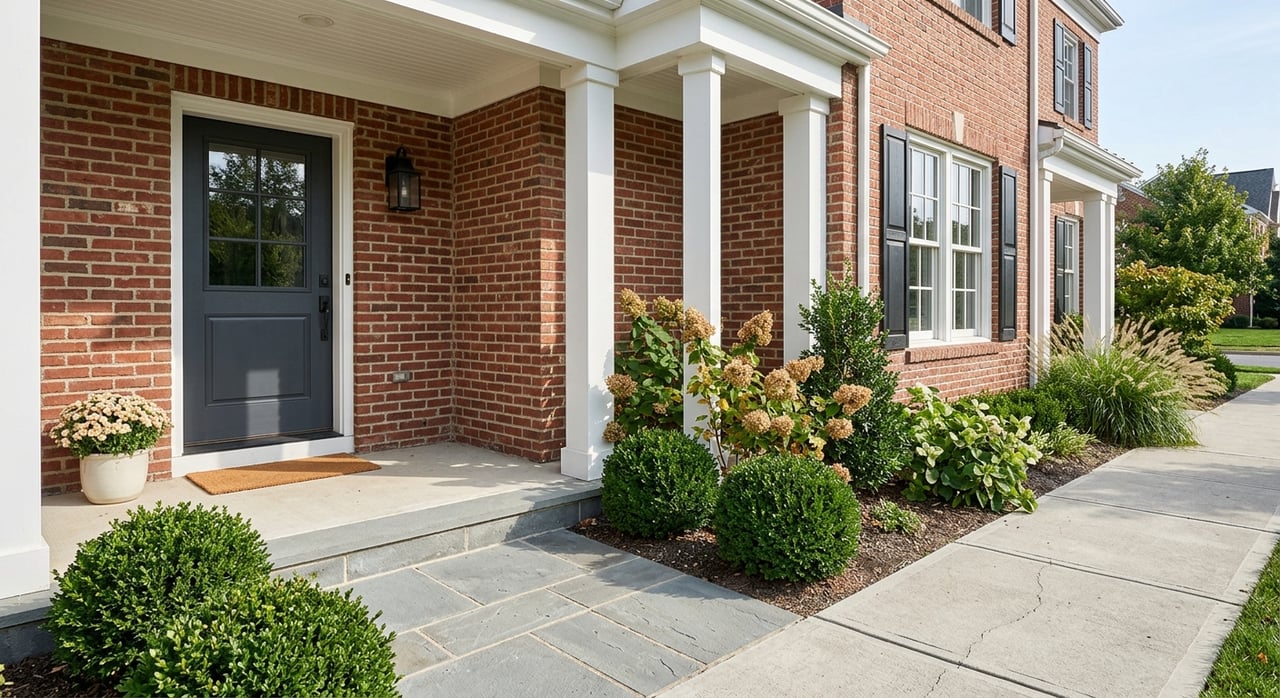
Village homes include 18th- and 19th-century stone and brick houses, Federal and Victorian-era styles, and smaller worker cottages. Interiors often blend original details with later upgrades. Footprints tend to be modest, but provenance, craftsmanship, and location within the preserved core make these homes especially prized.
Estates and luxury amenities
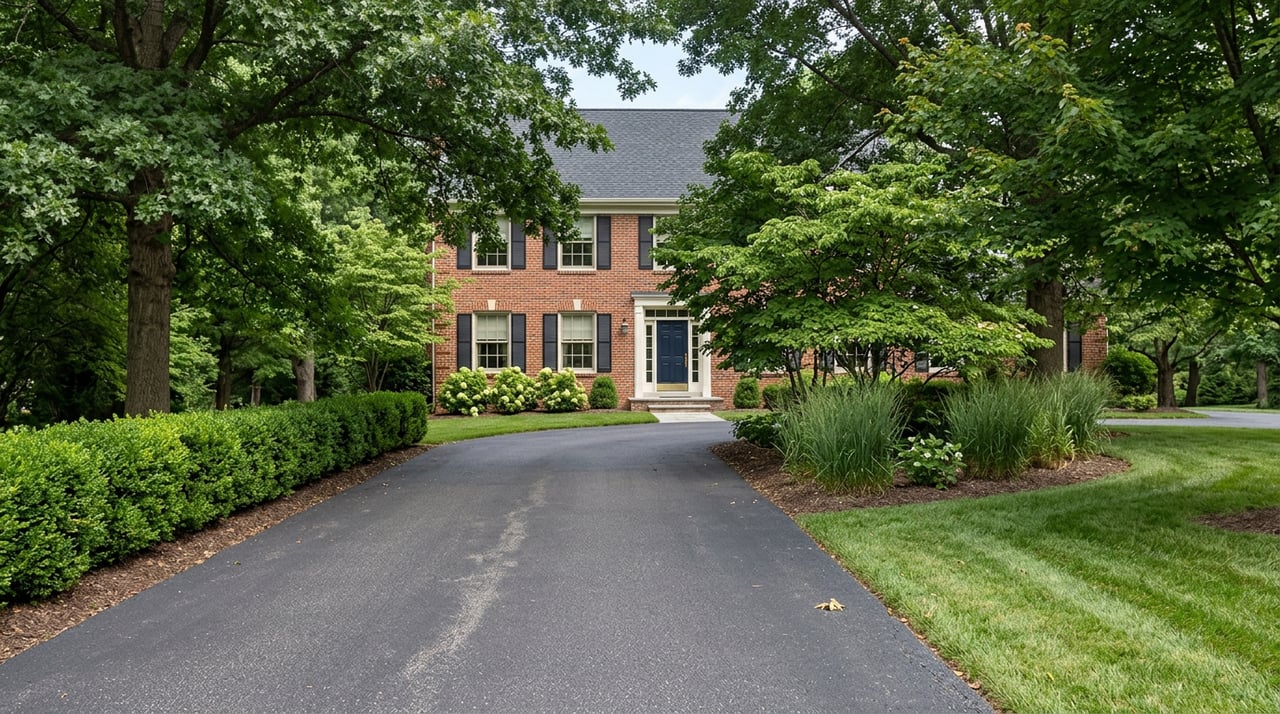
Surrounding properties include historic farmhouses, renovated barns, horse farms, and modern estate homes designed to showcase acreage and privacy. Common features include large garages, equestrian infrastructure such as rings, barns, and paddocks, guest houses, pool complexes, and on some parcels, vineyards and small-scale wine production facilities.
Market dynamics and demand
Two buyer profiles commonly surface:
- Buyers drawn to authentic historic homes and a compact village setting, often prioritizing preservation and walkability.
- Buyers seeking privacy, acreage, and lifestyle amenities on estate parcels, sometimes with equestrian or vineyard uses.
Inventory is typically limited for both segments. Historic homes hold value for rarity and location, while estates are valued for acreage, views, and amenities. Market activity can fluctuate with interest rates and commuting patterns; demand for larger lots tends to rise when remote work is prevalent.
Utilities, internet, and services
Outside the village core, many properties rely on private wells and septic systems. Municipal water and sewer may be limited or absent in rural parcels. Owners of larger properties often contract privately for services like trash collection and snow removal, especially along long driveways and private lanes.
Broadband capacity can vary by parcel. Much of Loudoun has strong coverage, but rural lots may have fewer high-speed options. Some owners leverage fixed wireless or satellite solutions. Cell coverage can also vary with topography and provider. It’s essential to verify availability and speeds for your exact address.
Preservation, zoning, and easements
Village properties typically fall within a designated historic district that includes design guidelines and review processes for exterior changes visible from public ways. Renovations often require approvals, and some parcels may have preservation easements or covenants.
Outside the village, conservation easements are relatively common. These private or nonprofit-held agreements protect rural character by restricting development, which can affect subdivision potential and future uses. Loudoun County zoning governs lot sizes, accessory uses like horses or home businesses, and permitting. Some parcels operate as agricultural uses with different tax or regulatory treatment. Review these details early in your search or listing plan.
Due diligence checklist for buyers
Buying a historic home or a large-lot estate requires targeted due diligence. Use this list to stay organized:
- Review historic district guidelines and any recorded covenants or preservation easements for village homes.
- For estates, identify any conservation easements; understand how they affect use, building, and subdivision rights.
- Order a boundary survey; confirm fencing, access rights, and shared drive agreements where applicable.
- Conduct a septic inspection and pump-out; confirm system capacity and reserve areas.
- Test the well for water quality and quantity; verify treatment systems if present.
- Request soil testing where needed, especially for planned expansions or new outbuildings.
- Confirm broadband and cellular provider options and speeds for the specific parcel.
- Verify current school assignment with Loudoun County Public Schools for the property address.
- Clarify county permits needed for renovations, barns, guest houses, pools, or equestrian facilities.
- Ask your lender and insurer early about underwriting for historic or unique rural properties, including outbuildings.
Ownership costs and maintenance
Large acreage and historic features often bring higher ongoing costs. Property tax assessments and rates are key considerations; greater acreage and improvements can mean higher tax bills. Some parcels may qualify for agricultural use assessment, which can affect taxes. Confirm with the county assessor to understand your long-term obligations.
Maintenance is a real factor. Historic masonry, roofing, windows, barns, and outbuildings benefit from regular attention. Long driveways and private roads require upkeep, as do trees and rural stormwater management. Winter access and snow removal planning are practical priorities.
Insurance and financing can differ from standard suburban homes. Policies may need to account for older construction, well water systems, and multiple structures. Lenders may request additional documentation for unique homes, and appraisals can be challenging if comparable sales are limited. Start conversations with your lender and insurer early to set realistic timelines.
Who this area fits
Village seekers
You love walkable historic streets, period architecture, and being part of a preservation-minded community. You appreciate compact footprints with character and are comfortable with rules that protect the district’s integrity.
Estate lifestyle
You prioritize acreage, privacy, and the freedom to pursue outdoor interests. Equestrian uses or small-scale agricultural and vineyard pursuits may be part of your plan. You value quiet, views, and the ability to design amenities that fit your lifestyle.
How to navigate your move with Chrissie
Buying or selling in Historic Waterford and the surrounding estates requires both local insight and careful risk management. As a CPA and licensed Broker, Chrissie combines numbers-first guidance with elevated transaction governance. You get clear pricing strategy, due diligence planning, and a curated vendor network for specialized needs like wells, septic, surveys, staging, photography, and video marketing.
If you’re listing, you benefit from premium storytelling and Sotheby’s-caliber exposure tailored to Western Loudoun’s discerning buyer pool. If you’re buying, you’ll have a calm, organized process with trusted local pros and transparent communication at every step.
Ready to explore homes or position your property for a top-tier sale? Reach out to Chrissie Goodrum to start a conversation.
FAQs
What is daily shopping like near Historic Waterford?
- The village core has limited retail, so you typically drive to nearby towns for supermarkets, services, and dining.
What should I know about wells and septic on rural parcels?
- Many properties rely on private wells and septic systems; plan for inspections, testing, and ongoing maintenance as part of ownership.
How do historic district rules affect renovations in Waterford?
- Exterior changes visible from public ways often require approvals, and some properties have preservation easements that add review steps.
Is internet and cell service reliable on large-lot properties?
- Service varies by parcel; confirm providers and speeds for the exact address, and consider fixed wireless or satellite where wired options are limited.
How do conservation easements impact estate ownership around Waterford?
- Easements can restrict development and subdivision, preserving rural character while shaping how you can use and improve the property.
Who typically buys in the village versus the estates?
- Village buyers seek walkability and historic character; estate buyers prioritize acreage, privacy, and amenities such as equestrian facilities or vineyards.