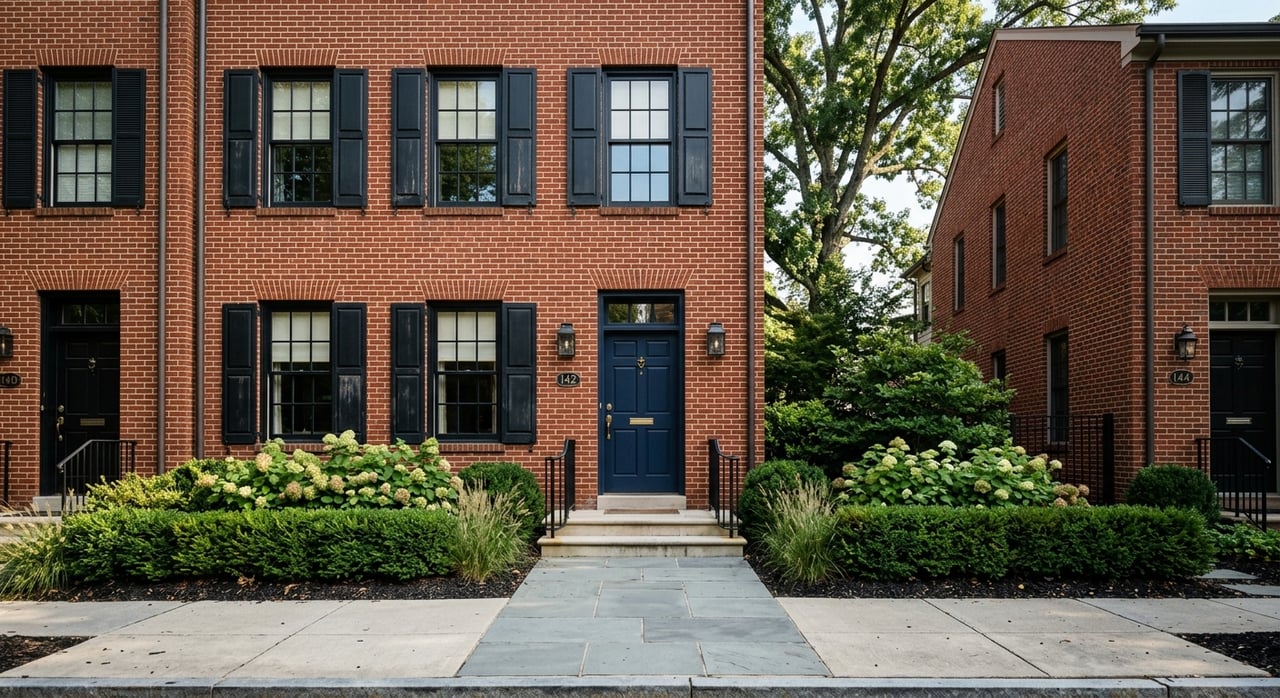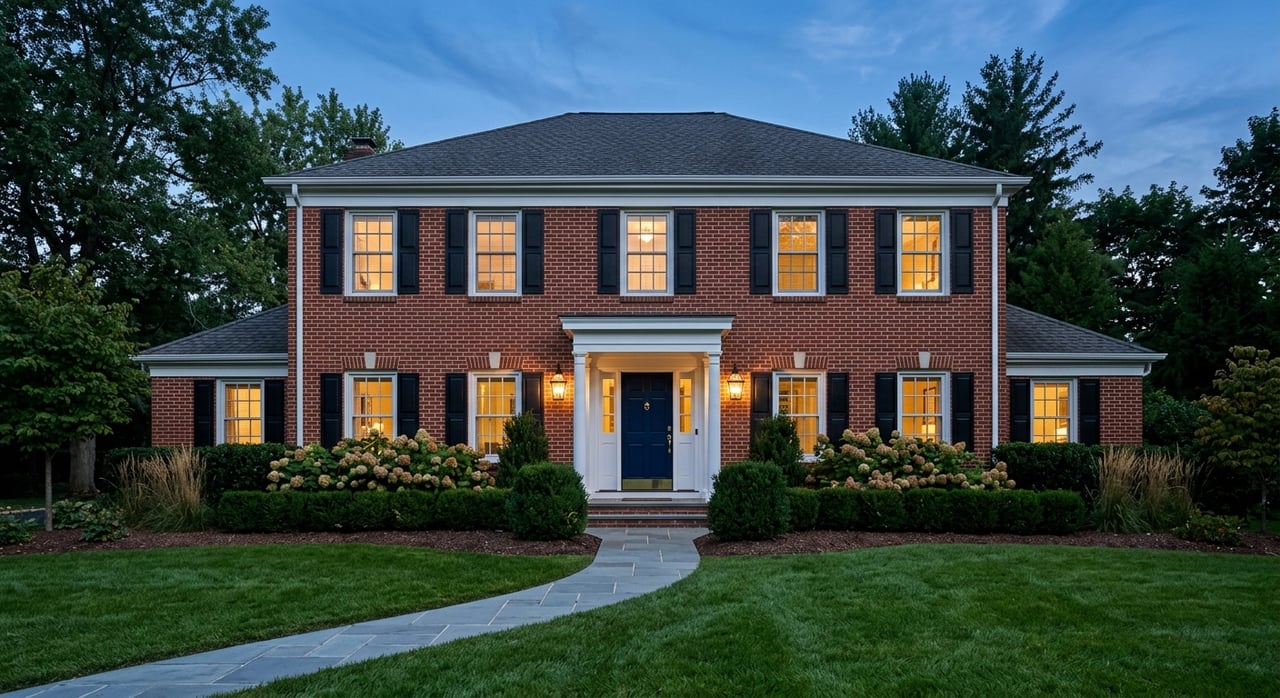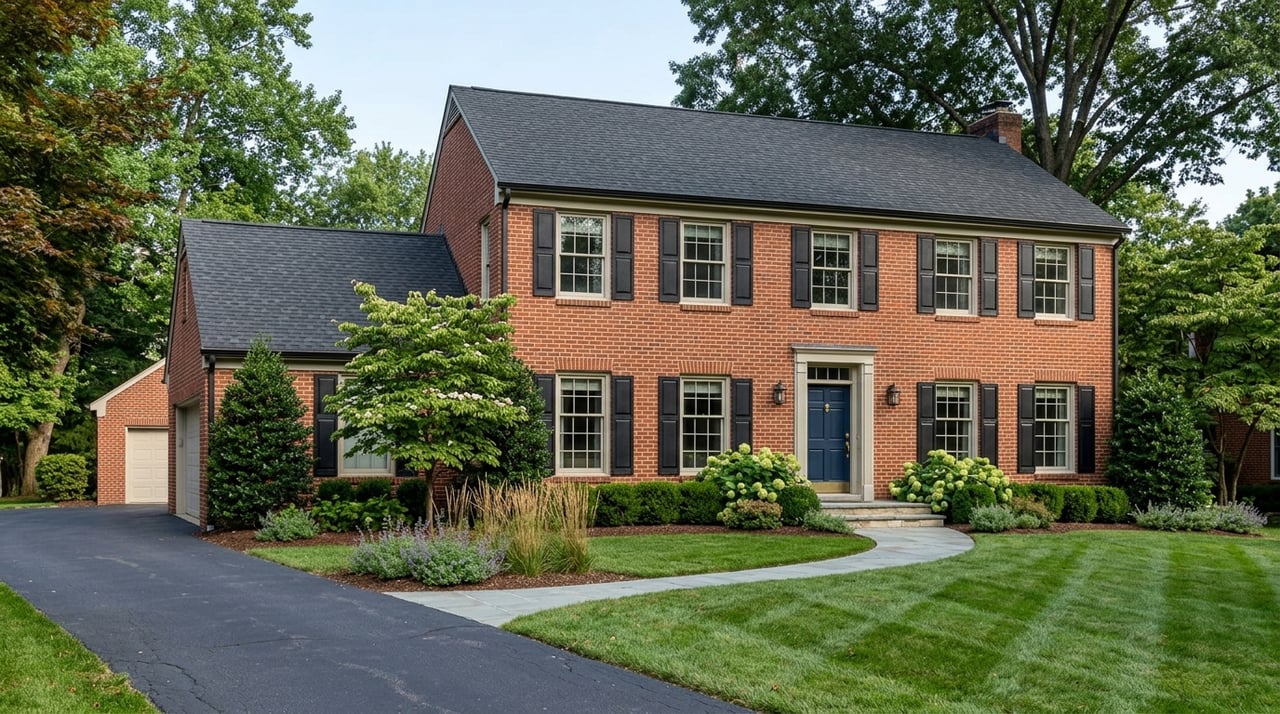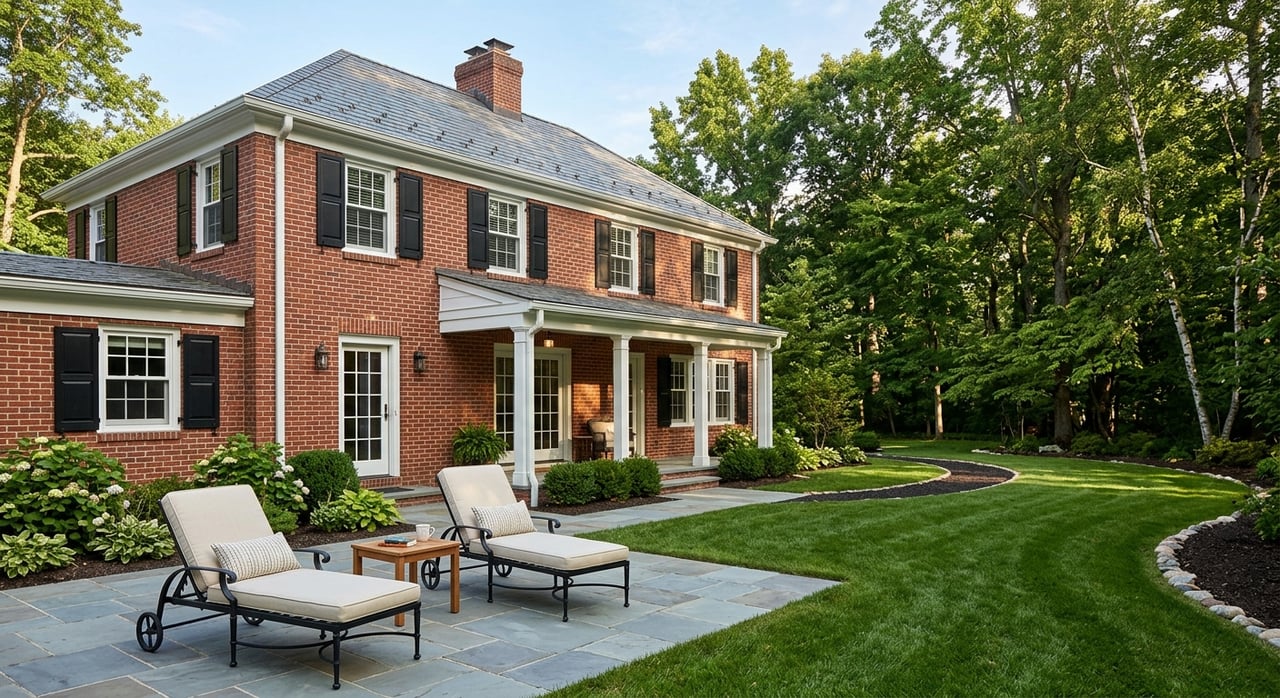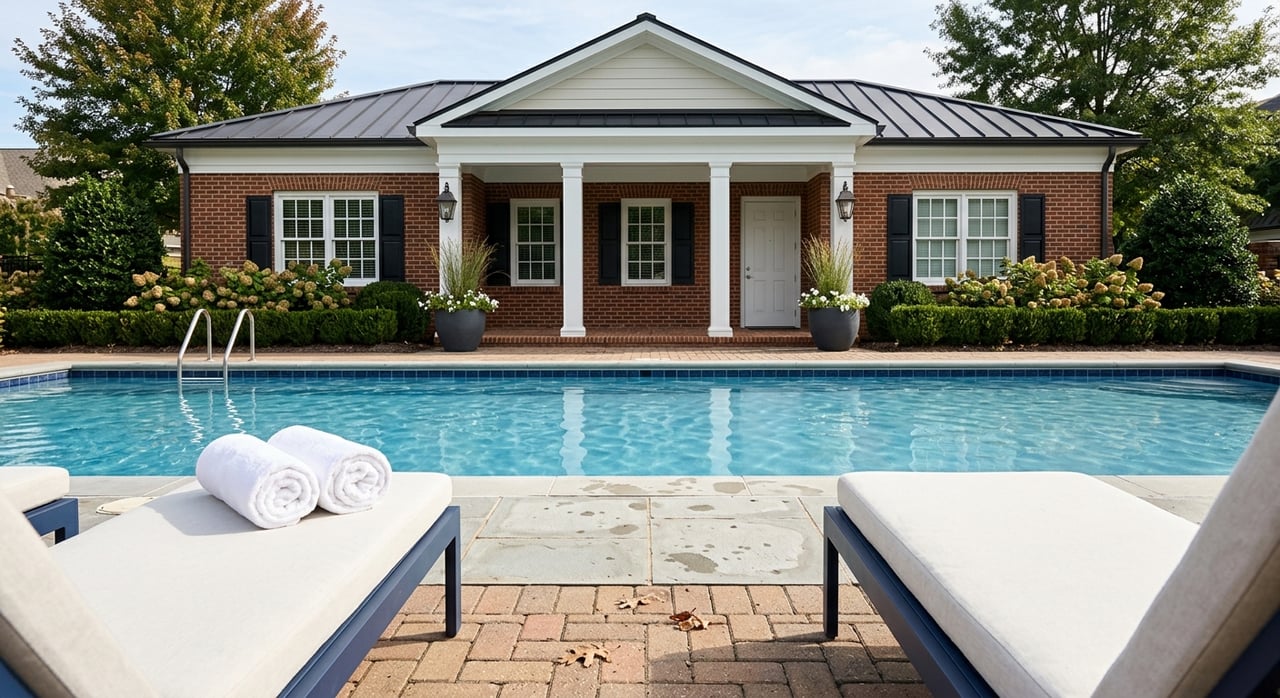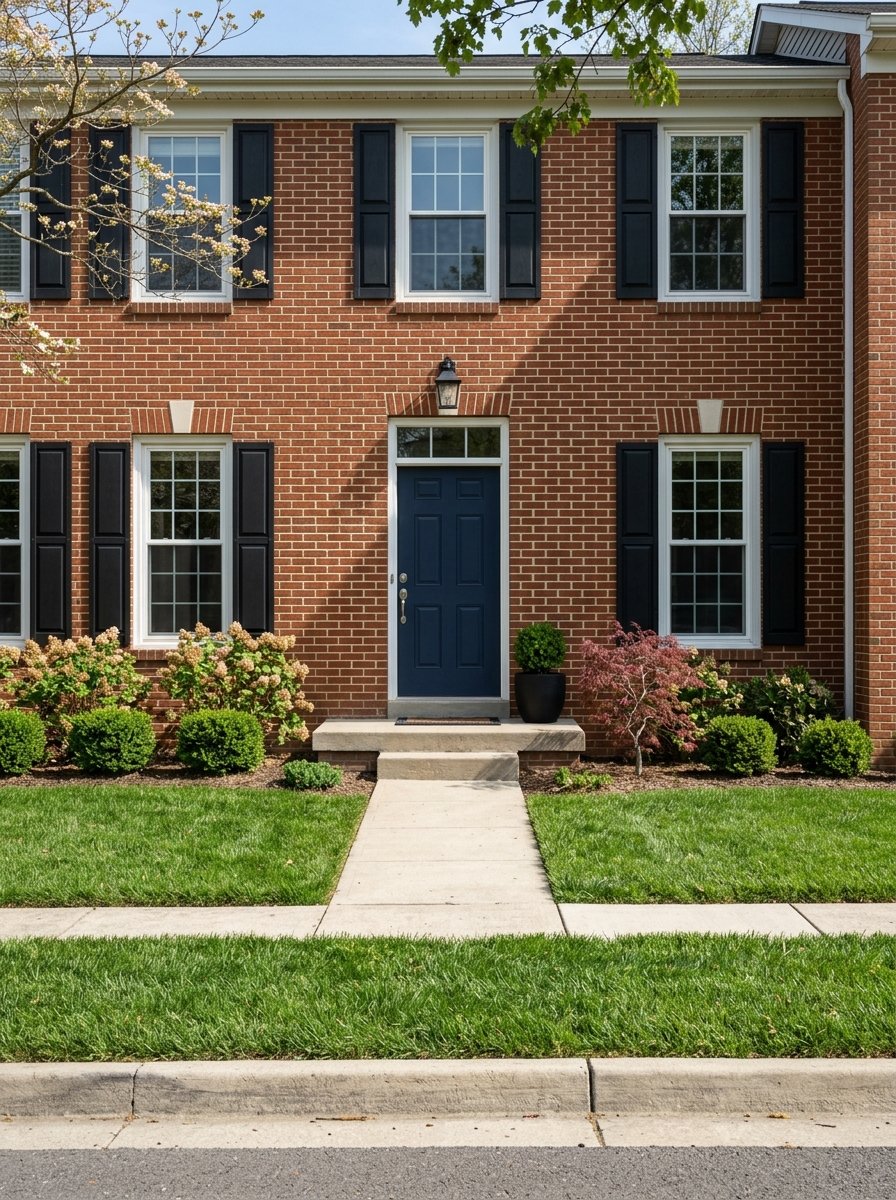
Trying to figure out what the “villages” of Belmont Country Club actually mean when you are house hunting? You are not alone. Belmont’s layout can feel confusing at first, especially when village names, HOA fees, gate access, and club membership all overlap. The good news is that once you understand how Belmont is organized, it becomes much easier to spot which section best fits your budget, lifestyle, and maintenance preferences. Let’s dive in.
How Belmont Country Club Is Set Up
Belmont Country Club in Ashburn is a 2,157-home residential country-club community managed by the Belmont Community Association. According to the HOA overview, the community includes both gated and non-gated areas, with the main entrance on Tournament Parkway off Russell Branch Parkway near Route 7.
One important point for buyers is that the HOA and the club are separate. The HOA handles assessments, rules, landscaping, cable and internet, and gate-related matters, while the country club handles membership fees and amenity access. That distinction matters when you compare monthly costs and what you actually receive.
Belmont’s identity is also shaped by its historic setting. The Belmont club history notes that the Manor House dates to 1799–1802 and remains central to the club property today. That history helps explain why the community has such a distinct, established feel.
Why the Village Names Matter
In Belmont, a village name is not just branding. It often signals a different housing type, a different maintenance package, and a different monthly fee structure.
The 2026 HOA fee sheet groups homes into categories like Estates, Villas, Carriages, Executives, Fairways, Tournaments, Meadows, Townhomes, and Condominiums. Monthly combined HOA charges range from $212.71 for Belmont Chase SFD and Belmont Hunt SFD up to $446.08 for Master homes, while Ridges is listed at the general assessment level of $186.01.
Belmont also includes Comcast/Xfinity cable and internet in the monthly assessments, which is worth factoring into your total monthly housing cost. For many buyers, that makes the fee structure more meaningful than it first appears.
How Maintenance Varies by Village
One of the biggest differences between villages is the level of exterior support. The landscape services by village table breaks this into three practical categories:
- Full
- Lawn
- HOA Common Areas Only
That chart is useful because it helps you understand what daily ownership may feel like. If a village does not receive lawn service, owners are responsible for their own lawn and landscaping. For some buyers, that is no big deal. For others, especially busy professionals, relocators, or downsizers, that can be a deciding factor.
Interior Villages and Higher-Service Areas
Belmont’s more private interior sections include villages such as Augusta, Baltusrol, Bay Hill, Birkdale, Cherry Hills, Cypress Point, Doral, Gleneagles, Inverrary, Medinah, Merion, Muirfield, Oakmont, Pebble Beach, Pine Valley, Pinhurst, Riviera, Sawgrass, Spyglass Hill, St. Andrews, Troon, Turnberry, Valhalla, Westchester, and Willowbend.
Based on the HOA’s landscape table, these interior villages span different levels of HOA support. In general, they tend to reflect a more controlled club-community environment, with private streets, more consistent curb appeal standards, and in some sections, a lighter day-to-day maintenance burden.
Belmont’s FAQ and covenant guidance reinforces that structured feel. For example, the HOA references exterior design review and notes rules such as keeping trash and recycling containers inside garages. If you value order, consistency, and a polished neighborhood appearance, these areas may be especially appealing.
Outside-the-Gates Areas Explained
Not every part of Belmont sits inside the gated core. The HOA’s mowing schedule specifically lists Common Areas – Outside gates, along with Claiborne Parkway, Gloucester Parkway, The Hunt, The Meadows, and The Greens.
The snow removal page adds more clarity. It states that The Chase and The Hunt are plowed by VDOT, while The Ridges is managed separately by CMC. That gives buyers a practical clue that these sections operate a bit differently from the more private interior portions of Belmont.
A helpful shorthand is this: The Hunt, The Meadows, The Greens, and The Ridges generally function more like the lower-gate or non-gated edge of Belmont. They may offer less private-street control, and in some cases, a simpler ownership model.
Important Naming Wrinkles to Know
This is where many buyers get tripped up. Some Belmont labels sound similar, but they are not interchangeable.
For example, The Chase appears in the landscape table as a Master section with common-areas-only service, while Belmont Chase SFD appears separately on the HOA assessment sheet as its own lower-fee category. The same issue shows up with The Meadows, which appears both as an outside-gate landscape category and as Meadows Attached / Meadows Townhomes in the fee schedule.
If you are comparing listings, it is smart to confirm the exact village name used in the HOA documents rather than assuming similar names mean the same thing. That extra step can help you avoid surprises around fees, maintenance, or services.
A Simple Buyer Lens for Belmont Villages
If you want to narrow your search quickly, it helps to look at Belmont through four practical questions:
- Do you want gated or less gated access?
- How much exterior maintenance do you want to handle yourself?
- What monthly assessment feels comfortable?
- How much will you use the club amenities?
Because the HOA and club are separate, your monthly ownership experience depends on both. The HOA overview explains the association side, while the club membership page outlines what membership includes.
Which Belmont Areas Fit Different Lifestyles?
Here is a practical way to think about the village types when you tour Belmont.
Lowest-Maintenance Options
If you want a simpler ownership experience, the research points to The Ridges, The Greens Townhomes, The Meadows, and the lower-fee detached categories on the assessment sheet as strong starting points. These sections may appeal to buyers who want Belmont access with a more streamlined monthly obligation.
This can be especially attractive if you travel often, prefer less yard work, or simply want to reduce exterior upkeep. Just be sure to confirm exactly which services are included in the specific village you are considering.
Highest-Privacy and Highest-Service Options
If privacy, structure, and a stronger service package matter most, Master and Estate villages tend to sit at the top end. These sections generally align with higher assessments and a more managed environment.
For some buyers, that tradeoff is worth it. You may get a more enclosed setting, stronger curb-appeal consistency, and less hands-on exterior responsibility depending on the village.
Middle-Ground Choices
If you want a balance between cost, home type, and HOA support, the fee sheet points to Villas, Carriages, Executives, Fairways, and Tournaments as the middle ground. These categories often make sense for buyers who want club-community living without going all the way to the highest-fee segment.
This group can be a strong fit if you want more support than a lower-service section offers, but you still want flexibility on budget and home style.
What All Belmont Residents Share
No matter which village you choose, there is an important common thread. The club’s membership information states that social membership is required for all Belmont residents.
That social membership includes access to swimming, dining, and social facilities, along with the sand volleyball court, hard tennis courts, basketball courts, soccer field, and children’s playground. Higher membership tiers add more, such as the fitness center, adult pool, Har-Tru courts, family pools, fitness programming, and full golf access.
The club also highlights the 18-hole Arnold Palmer Signature course, three pools, seven tennis courts, and Lee’s Table and Tavern. So even if two homes are in different villages, they are still connected through the same larger club ecosystem.
How to Shop Belmont More Confidently
When you tour Belmont Country Club, try not to focus only on square footage or list price. A smarter comparison looks at the full picture: village name, gate location, maintenance level, monthly assessment, and club use.
That is where local guidance can really help. Belmont is a nuanced community, and small wording differences in HOA documents can change how a home functions on a day-to-day basis. If you want help sorting through the options and matching them to your goals, Chrissie Goodrum can help you evaluate Belmont with a clear, numbers-driven, neighborhood-specific lens.
FAQs
What do the villages in Belmont Country Club mean for buyers?
- The village name usually signals the home type, HOA fee structure, and level of exterior maintenance support.
Are all homes in Belmont Country Club inside the gates?
- No. Belmont includes both gated and non-gated areas, and some sections like The Hunt, The Meadows, The Greens, and The Ridges function more like the outside-edge or lower-gate portions of the community.
Is country club membership required in Belmont Country Club?
- Yes. Belmont’s public club information states that social membership is required for all residents.
What is included in Belmont Country Club HOA fees?
- According to the HOA fee information, monthly assessments vary by village and include items such as community assessments and Comcast/Xfinity cable and internet.
What is the difference between the Belmont HOA and the country club?
- The HOA handles community operations like assessments, landscaping, covenants, and gate-related matters, while the club handles membership fees, amenities, dining, fitness, and golf access.
Which Belmont Country Club villages may have lower maintenance?
- Based on the research, buyers often start with The Ridges, The Greens Townhomes, The Meadows, and lower-fee detached categories when looking for a simpler ownership experience.