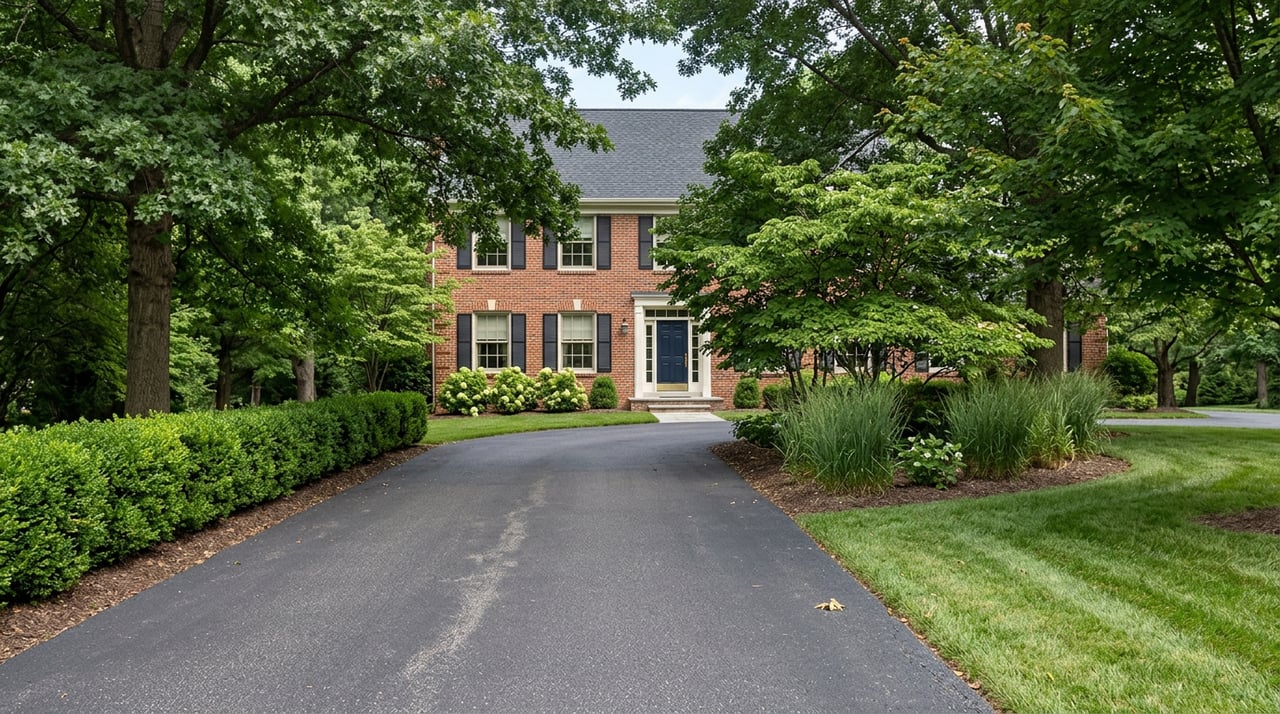
Thinking about whether you want the convenience of an HOA or the freedom of no HOA in Leesburg? You are not alone. Choosing between them affects your budget, your day-to-day maintenance, and how quickly you can make changes to your home. In this guide, you will learn how HOAs work in our area, what non-HOA life really looks like, what to check in resale packets, and how costs and financing differ so you can buy with confidence. Let’s dive in.
HOA basics in Leesburg
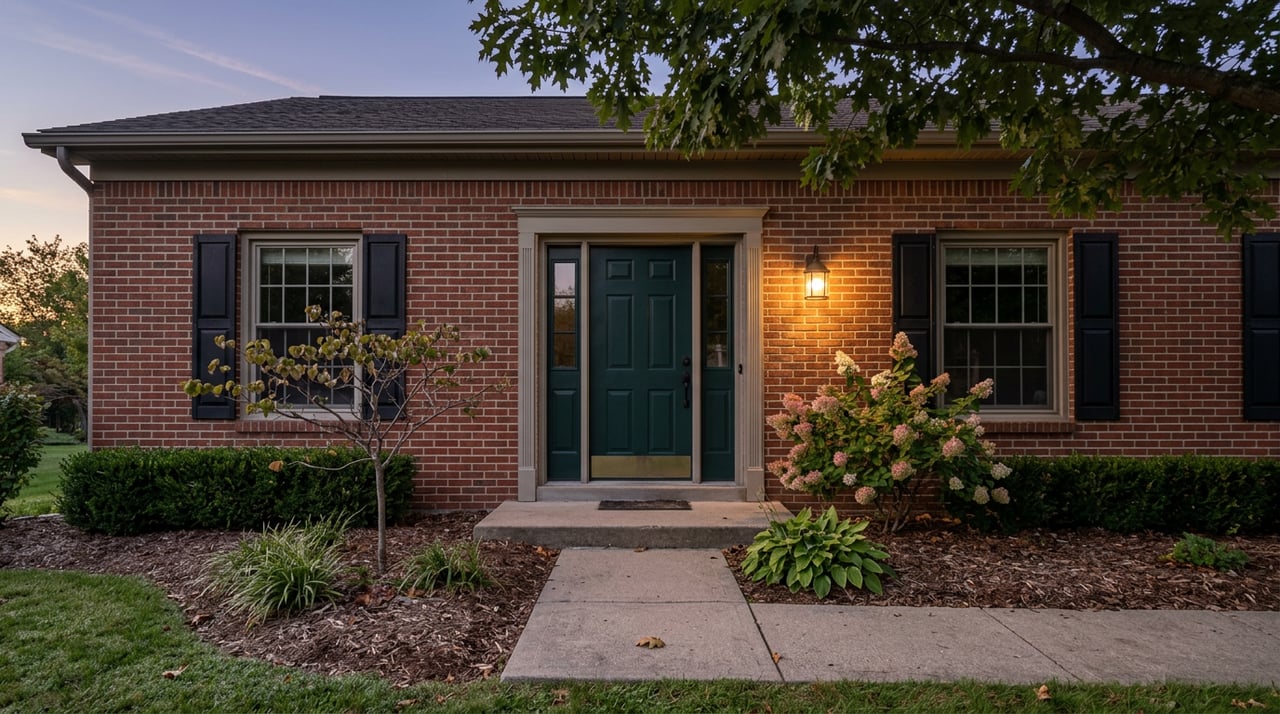
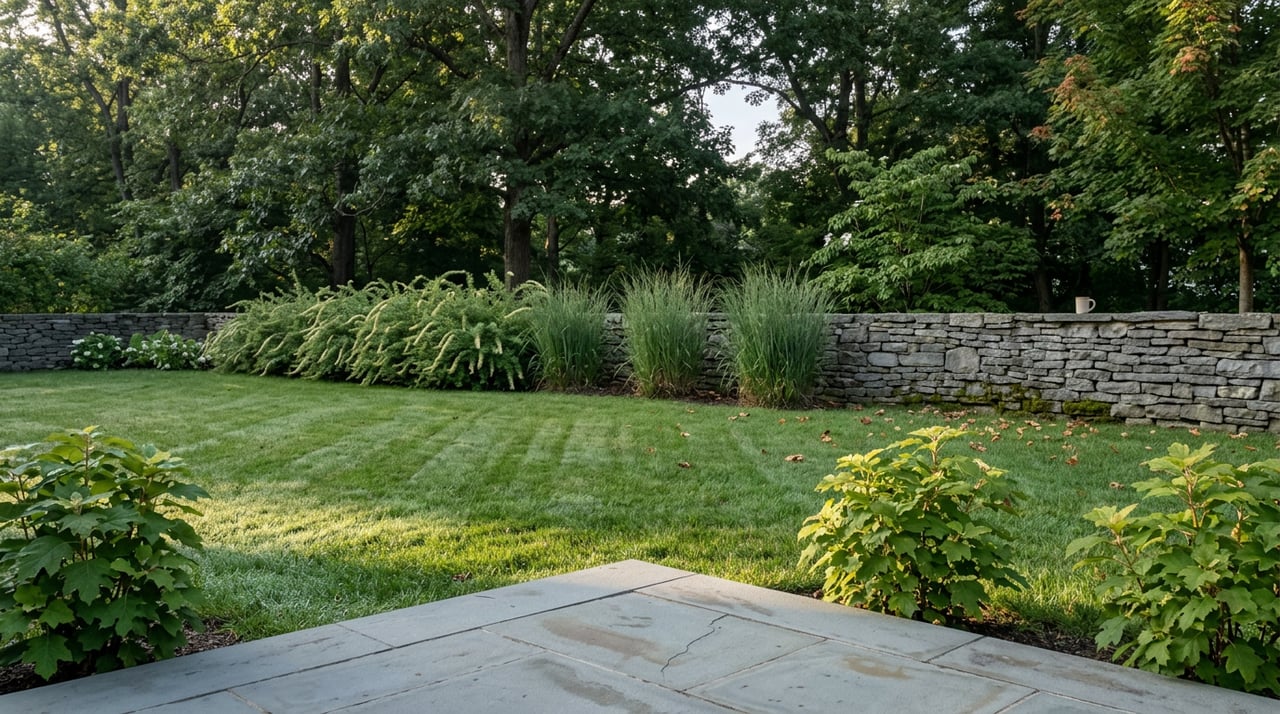
An HOA is a private community association that enforces recorded rules, collects dues, and maintains common areas. In Leesburg, HOA neighborhoods often include amenities like pools, clubhouses, playgrounds, trails, sidewalks, and landscaped open spaces. Some developments have a master association for big amenities and a sub-association for neighborhood rules.
Your rights and obligations live in recorded documents. The Declaration or CC&Rs set core covenants. Bylaws and Rules and Regulations cover operations and day-to-day restrictions. Architectural guidelines explain how to request exterior changes and the timelines for approval.
Boards are elected by owners and may hire a professional management company. HOAs can issue violation notices, charge fines, and place liens for unpaid assessments. Procedures depend on Virginia law and the association documents.
Non-HOA life explained
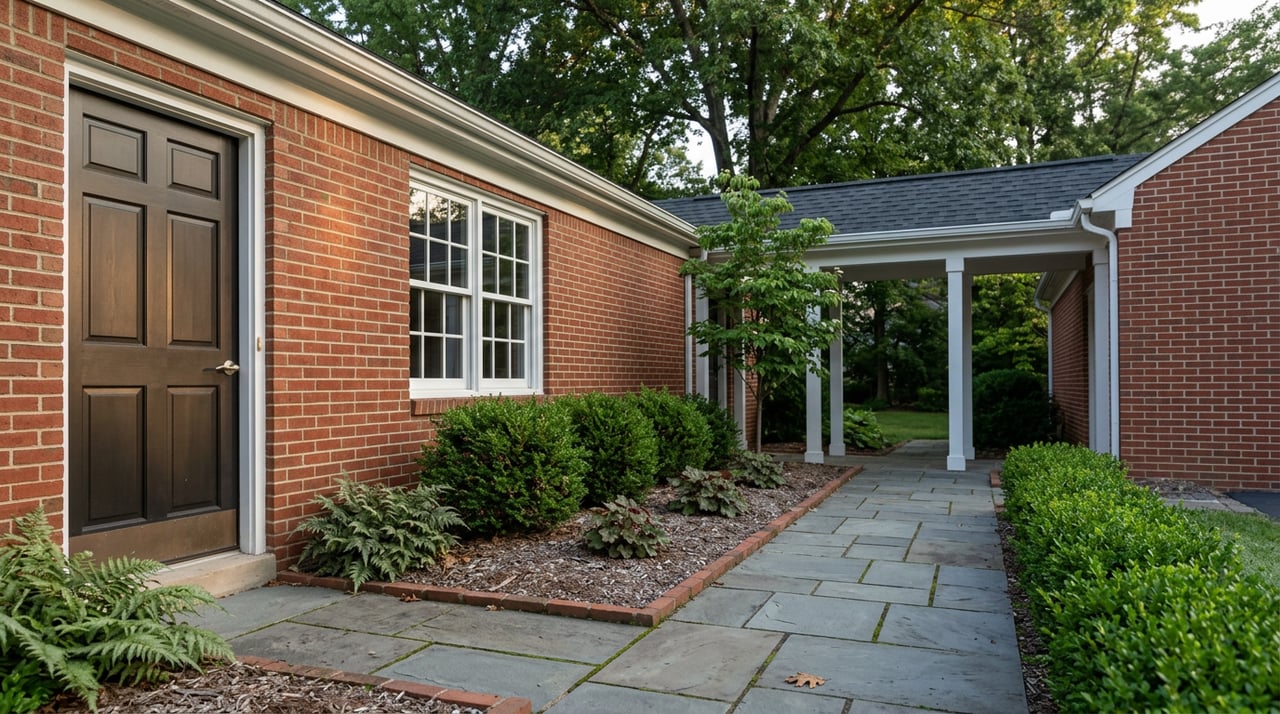
Buying outside an HOA gives you more autonomy. You decide when to change paint, install a fence, or add landscaping, subject to town or county rules. You also take on all exterior upkeep and costs.
Without HOA dues, you manage your own vendors for yard care, snow removal, trash service if applicable, and exterior maintenance. You also fund any private amenities you want, like a gym or pool membership.
The tradeoff is predictability. In non-HOA areas, neighboring properties can vary in upkeep, which can influence curb appeal and future resale.
Town or county: know the difference
Part of Leesburg sits inside the Town of Leesburg limits. Properties in town follow town zoning and permitting rules. Some parts of town, including historic areas, may require design review for exterior changes regardless of HOA status.
Other properties are in unincorporated Loudoun County. County zoning and permitting apply there. Confirm whether a property is in town or county before planning projects or budgeting for services.
Roads, snow, and maintenance
In some HOA neighborhoods, roads are private. The association maintains private roads, handles repairs, and may include snow removal and sidewalk care in the dues. On public roads, the town or county is responsible for maintenance and snow clearing.
Northern Virginia winters can be icy. If you prefer turnkey snow removal, ask whether the HOA covers private streets and sidewalks. If you are outside an HOA or on public roads, plan for private services for driveways and walkways.
Cost comparison made simple
Look at your total housing cost, not just the mortgage. Compare these side by side so you get a true picture.
- Mortgage and property taxes
- HOA dues and any regular fees
- Expected maintenance costs if non-HOA, including lawn care, snow removal, exterior repairs, and trash
- Utilities that may be included in HOA dues for common areas
- Potential special assessments for capital repairs
If you value amenities and lower personal maintenance, HOA dues can be a fair trade. If you value maximum control and lower fixed monthly costs, non-HOA may fit better. The right choice depends on how you live and what you want to manage yourself.
Resale packets and your review
If you buy in an HOA, the resale packet is your roadmap. Ask for it early in your contingency window so you have time to review. Key items to request include:
- Declaration or CC&Rs and amendments
- Bylaws, Rules and Regulations, and architectural guidelines
- Recent meeting minutes, budgets, financials, and the most recent reserve study
- Current dues, any special assessments, and delinquency rates
- Insurance certificates for the master policy and what it covers
- Any pending litigation, large capital projects, or major repairs
Watch for red flags. These include frequent special assessments, a reserve fund that is too low for expected capital needs, high delinquency among owners, ongoing litigation, or rules that conflict with your plans, such as limits on exterior changes, parking, pets, or rentals.
Financing and lender considerations
Lenders include HOA dues in your debt-to-income ratio. Higher dues can affect how much you qualify for. For condominiums or large associations, some loan programs require project approvals. If the community allows short-term rentals, certain financing options may be limited.
Insurance works differently in an association. Most HOAs carry a master policy for common areas. You still need your own homeowner policy, typically HO-3 for houses or HO-6 for condos, which covers interiors and personal liability. Clarify what the master policy covers and whether you need loss assessment coverage for deductibles or uncovered losses.
Resale and lifestyle impacts
Well-run HOAs with amenities can attract buyers who value convenience and shared spaces. Those amenities can support demand when the association’s finances are sound and maintenance is consistent.
Non-HOA homes appeal to buyers who want design freedom and fewer rules. Your resale can still be strong if you keep the property well maintained and the surrounding streetscape remains tidy.
Either path can work when you match the lifestyle to your priorities and review the details carefully.
How to choose your path
Use these quick profiles to test what fits you best:
- You want low maintenance and shared amenities. Consider an HOA and focus your review on reserve studies, what services are included, and amenity upkeep.
- You want design freedom and lower monthly fees. Consider non-HOA. Price out lawn care, snow clearing, and exterior maintenance so you have a realistic budget.
- You plan to rent or explore short-term rentals. Confirm rental rules in the HOA documents and understand any town or county regulations.
Buyer checklist for Leesburg
- Confirm whether the property is in the Town of Leesburg or in unincorporated Loudoun County.
- Ask if roads are private or public and who clears snow and maintains streets.
- Request the full resale packet and allow time for a careful review.
- Review recent budgets, financials, reserve study, and delinquency rate.
- Check rules on exterior changes, fences, solar panels, parking, pets, and rentals.
- Ask about any pending special assessments or planned capital projects.
- Verify what services are included in dues, such as trash, landscaping, or exterior maintenance.
- Speak with neighbors and visit at different times to see traffic and parking patterns.
- Talk with your lender early about HOA dues, project approvals, and insurance needs.
Your next step
Choosing between HOA and non-HOA living in Leesburg comes down to tradeoffs: convenience and shared amenities versus autonomy and personal control. When you compare total costs and review documents early, the decision becomes clear.
If you want a numbers-first plan and local insight, reach out to Chrissie Goodrum. You will get calm guidance, clear next steps, and a tailored search that fits how you live.
FAQs
What is an HOA in Leesburg, VA?
- An HOA is a private association that enforces recorded community rules, collects dues, and maintains shared areas like pools, trails, and open spaces.
What does a resale packet include for Virginia HOAs?
- It includes CC&Rs, bylaws, rules, architectural guidelines, budgets, financials, reserve study, insurance certificates, dues and assessments, meeting minutes, and any litigation.
How do HOA dues affect my mortgage approval?
- Lenders count dues in your debt-to-income ratio, which can reduce your approved loan amount compared with a similar non-HOA home.
Who handles snow removal in Leesburg neighborhoods?
- On public roads, the town or county handles it. In private road communities, the HOA typically manages snow removal as part of dues.
Can I rent my home if it is in an HOA?
- It depends on the rules. Review rental policies and any limits on lease length or short-term rentals in the association documents.
Do HOA rules override local laws in Leesburg?
- No. HOA documents cannot conflict with federal, state, or local law. Town or county rules still apply.
Are HOA fees tax-deductible on a primary residence?
- Generally no. Speak with a tax professional for guidance on your specific situation.
What are common HOA financial red flags for buyers?
- Frequent special assessments, low reserves compared with expected capital needs, high delinquency rates, and ongoing litigation are all warning signs.